Please select a size
Please select a size
Please select a size
Please select a size
Please select a size
Please select a size
Please select a size
Please select a size
Please select a size
Please select a size
Please select a size
Please select a size
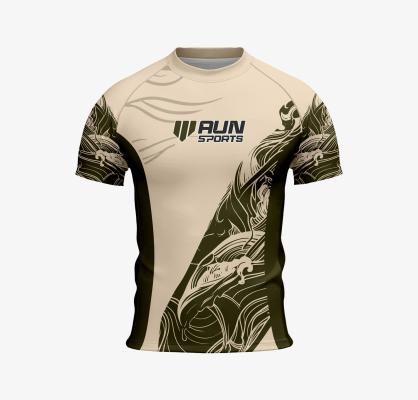
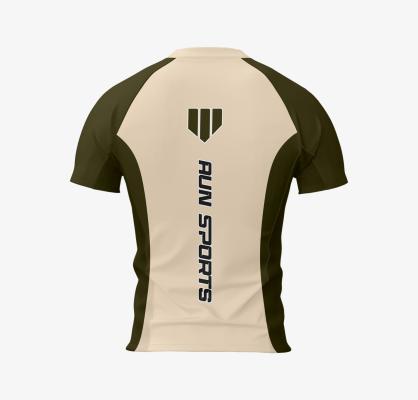
Please select a size
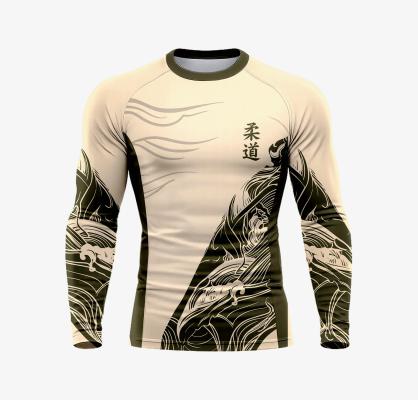
Please select a size
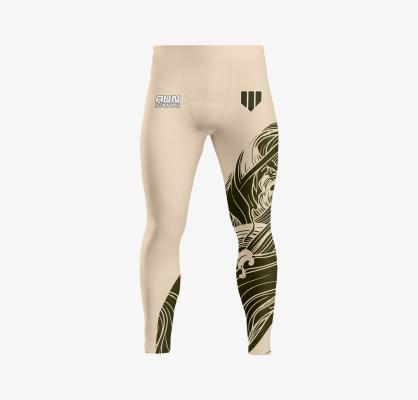
Please select a size
Please select a size
Please select a size
Please select a size
Please select a size
Please select a size
Please select a size
Please select a size
Please select a size
Please select a size
A judogi has to take a beating: heavy grips, hard throws and constant ground scrambles. Ours come in single weave (lighter, faster, great for training) and double weave (heavier, harder to grip, favored for competition), both cut to IJF-style proportions.
Single weave vs double weave: which should I get?
Single weave is lighter and cooler, ideal for daily training and warm gyms. Double weave is heavier and more grip-resistant, which many competitors prefer. Beginners usually start single weave.
Getting the fit right
Judo gis run looser than BJJ gis but must still meet competition length rules at the sleeve and pant. Use the size chart based on height.